78% Prefer Experiences Over Things: Best Offbeat Things to Do With Friends in DC
A national Eventbrite study found 78% of millennials would rather spend money on a desirable experience or event than buy something desirable. In Washington, D.C., that helps explain why friend groups are looking beyond standard monument-and-museum itineraries toward plans that feel more local, interactive, and memorable. Good offbeat things to do with friends in DC include competitive group games, museum after-hours, embassy and cultural events, themed bars, seasonal pop-ups, neighborhood exploring, and live comedy or indie shows. One factual example on the interactive end is CitySwing, an indoor golf community with TrackMan simulator suites, coaching, leagues, events, food and drinks, and climate-controlled studios in D.C. and Reston.
Best categories: competitive games, interactive museums, nightlife clusters, seasonal spring plans, budget cultural outings, weather-proof activities
Best spring 2026 add-on: cherry blossoms at the Tidal Basin, then an indoor plan if crowds or rain change the vibe
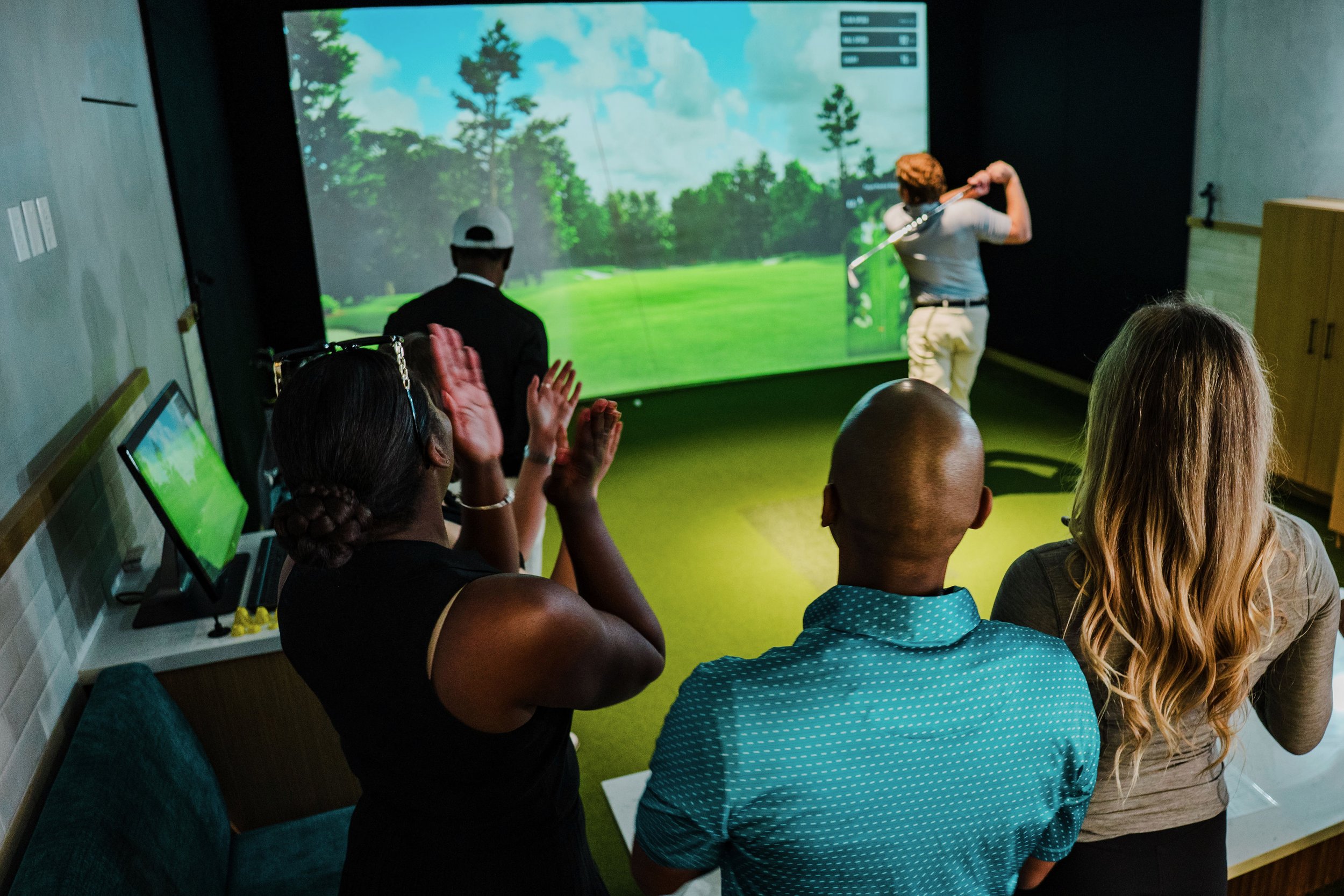
Unique group activities in DC that feel interactive, social, and different
In D.C., “offbeat” usually means participatory, memorable, and not just passive sightseeing. That is one reason activity-first plans can outperform another standard dinner: shared challenge creates conversation, low-stakes competition, and a clearer reason to gather. In experience-economy terms, the strongest group plans create both connection and a story.
CitySwing is a strong fit for mixed-skill groups. It offers private simulator suites and TrackMan data, so beginners can play casually while avid golfers can focus on measurable feedback. The brand also offers lessons, leagues, studio events, flexible memberships, and a Golf Truck/pop-up option for events, plus food, drinks, and music control in private suites. Best for: competitive/social hybrid groups, work friends, golf-curious beginners, and players who want skill-building. Price guidance: varies by booking format. Reservations needed? Usually smart for groups.
Planet Word is a free interactive language arts museum with timed passes; some after-hours programs are separately ticketed for adults. Best for: artsy or conversation-first groups. Price: usually free regular admission. Reservations? Timed passes help. The International Spy Museum is another benchmark for immersive, intelligence-themed content if your group prefers exhibit-driven problem solving.
ARTECHOUSE DC near the National Mall offers immersive digital-art installations with projection environments and motion-reactive elements. Best for: visually driven groups. Price: about $20–$30 adult timed entry. Reservations? Recommended. O Museum in The Mansion is known for hidden doors, themed rooms, and self-guided exploration; public tours typically run about 11 a.m. to 9 p.m. Monday through Saturday and about noon to 6 p.m. Sunday. Price: roughly $30–$40+ for adults, with specialty programs extra. Reservations? Strongly advised.
Museum of Illusions in Penn Quarter leans playful, with illusion rooms and perspective tricks that work well for groups. Beat The Bomb in Penn Quarter/Chinatown turns teamwork into a high-tech challenge that can end in paint, foam, or slime. Escape rooms around DC usually cost about $30–$45 per person, most rooms fit 4–8 players though some run 2 to 10–12, and reservations are usually required because time slots are fixed; private buyouts may require paying for a minimum player count.
Flight Club Darts in Penn Quarter offers tech-enabled social darts, food, and drinks as a bowling alternative. Players Club Downtown/Farragut delivers a gaming-bar format with arcade-style games and shuffleboard. Kraken Kourts & Skates in Bryant Street/Edgewood combines indoor pickleball, roller skating, and social events; Kraken venues often stay open late, frequently to about 10 or 11 p.m. on weeknights, 11 p.m. or midnight Friday and Saturday, and somewhat earlier Sunday.
Throw Social in Ivy City and Kick Axe Throwing in Penn Quarter both turn a night out into a coached group competition. DC axe-throwing venues typically run about $25–$45 per person for 60–90 minutes, lanes usually suit 4–6 people, many venues can handle 2 to 20+, reservations are strongly recommended, and waivers are almost always required.
Non-touristy things to do in DC at night with friends
Night plans tend to work better when you choose one neighborhood and stay there. A practical rule is to center one evening in a single area, build in 30–45 minutes between reservations, and book trendy or small venues one to three weeks ahead. Last-minute planning can be harder for groups of 6–10, and waits may spike because of conventions, sports, weather, and festivals.
Adams Morgan and H Street: best for loose-itinerary energy. These areas work for live music, comedy, open mics, bars with games, and walk-and-explore clusters. Best for: last-minute groups, artsy groups, low-cost hangs.
Union Market: best for conversation-first groups. Union Market is free to enter and regularly hosts evening or weekend pop-ups, maker markets, movie nights, and art events. It works well as a casual anchor for food-hall-plus-activity planning.
Dupont Circle: best for a polished but playful night. Comedy and social gaming make sense here, especially for date-night-with-friends or work-friends networking. A Dupont walk plus dinner and a show is an easy formula.
Georgetown: best for strolling and pairing a walk with a novelty stop, dessert, or live program nearby. Keep the plan simple rather than trying to cross the city late.
If your group wants to do something, not just sit at a bar, CitySwing also works well as a planned night out that combines activity, drinks and food, and group energy in one place. That can be especially useful for competitive groups, conversation-first work friends, or anyone trying to level up a routine happy hour.
Cheap offbeat things to do with friends in DC
Offbeat does not have to mean expensive. Strong low-cost categories include free cultural events, self-guided neighborhood scavenger-style walks, gallery hopping, seasonal public programming, comedy open mics, museum programming, and splitting one interactive activity across a group.
Trivia nights are usually free, though some charge $5–$10 or require a purchase, and team size is often capped at 4–8. Board game bars and cafés usually charge about $5–$12 for the game library, with total spend often reaching $15–$35+ once food and drinks are added. Art workshops such as pottery, painting, or candle-making usually cost $35–$90, with some specialized sessions above $100. Private karaoke rooms usually cost $25–$70+ per room per hour, often working out to $10–$30 per person depending on group size.
A practical budgeting rule: trivia and board game cafés often land around $10–$25 per person; karaoke and art workshops around $25–$60; axe throwing and escape rooms around $35–$60. Weekend pricing is usually higher, and service fees, taxes, and gratuity can materially raise totals.
For spring 2026, the cheapest standout add-on is cherry blossom viewing. The 2026 Washington, D.C. cherry blossom peak bloom is projected for March 29–April 1, with optimal viewing usually lasting 7–10 days after peak starts. The National Cherry Blossom Festival runs March 20–April 12, and the best viewing is at the Tidal Basin. Festival highlights include the parade on April 11 and fireworks. A smart budget plan is free blossom viewing plus one paid anchor activity such as CitySwing, a museum after-hours ticket, or comedy. Budgeting tip: off-peak bookings, splitting a simulator suite, or combining free public events with one paid anchor can keep the day memorable without overspending.
Rainy day friend activities in DC that still feel memorable
DC weather, limited daylight, and rain regularly push groups indoors, especially in late winter and early spring. The best rainy-day options still feel like a plan, not a backup: interactive museums, indoor competitive gaming, live shows, and social skill-based activities.
CitySwing is especially useful here because its studios are climate-controlled, beginner-friendly, and built around data-driven play rather than fair-weather conditions. If your group wants to learn something, TrackMan feedback and coaching add measurable improvement; if your group mostly wants to hang out, private suites, food, drinks, and music keep the vibe easy. It is a good example of reducing barriers like weather and intimidation without losing the fun-first appeal.
Other strong rainy-day calls include ARTECHOUSE, Planet Word, O Museum in The Mansion, Museum of Illusions, escape rooms, axe throwing, karaoke, and comedy clubs. Useful decision filters: group size, noise tolerance, reservation lead time, skill comfort, and whether your crew wants to learn something or mostly talk. For mixed-age households, junior lessons exist at CitySwing, though this guide is focused on friend-group planning.
Cherry blossom season 2026: offbeat ways to turn peak bloom into a full friend-day in DC
According to local reporting including WUSA9, bloom projections can shift with weather, but the current projection is clear: peak bloom is March 29–April 1 in 2026, and viewing is usually strongest for 7–10 days after peak starts. The National Cherry Blossom Festival runs March 20–April 12, and the best viewing is at the Tidal Basin. Festival moments include the parade on April 11 and fireworks.
The offbeat move is not skipping the blossoms; it is pairing them with a less expected second activity. Try a low-cost spring afternoon: Tidal Basin walk, then Union Market or a free museum program. For a date-night-with-friends, do blossoms first, then comedy or another neighborhood dinner-and-show plan. For a post-blossom rainy-day pivot, swap into CitySwing, ARTECHOUSE, or Planet Word. For a competitive group outing, do photos at the Tidal Basin first, then choose CitySwing, darts, or a puzzle-style activity. Because crowds and weather can shift quickly, it helps to keep the second stop flexible.
How to choose the right offbeat DC activity for your group
Use a simple filter by vibe. Competitive: CitySwing, darts, axe throwing, escape rooms, challenge-based gaming. Low-cost: trivia, board game cafés, free museum programming, self-guided neighborhood walks, Union Market. Artsy: Planet Word, ARTECHOUSE, O Museum. Social-first: karaoke, comedy, game bars. Last-minute: neighborhood hopping plus one anchor stop. Weather-proof: CitySwing, museums, comedy, indoor recreation. Skill-building: CitySwing lessons, workshops, coached activities.
Where CitySwing fits: best for competitive/social hybrid groups, work friends, golf-curious beginners, and players who want measurable feedback. It matches several motivations at once: convenience, networking potential, no-intimidation learning, healthy recreation, and a shared activity that gives the group something to talk about later.
Practical factors matter as much as vibe: group size, private vs public setting, duration, whether food and drinks matter, and whether the activity creates a story worth sharing later. Some venues require waivers, fixed start times, or advance booking. For nightlife, age and entry rules can also affect the plan. The best definition of “offbeat” in DC is not obscure for its own sake. It is participatory, local, and memorable.
FAQ
What are some offbeat things to do with friends in DC besides monuments and museums?
Try interactive group activities like CitySwing, Beat The Bomb, Flight Club, escape rooms, comedy clubs, board game cafés, karaoke, art workshops, and neighborhood market crawls.
What are non-touristy things to do in DC at night with friends?
Focus on one neighborhood like Dupont Circle, Adams Morgan, H Street, Union Market, or Georgetown and build the evening around comedy, social gaming, casual food, and a walkable cluster.
What are cheap offbeat things to do with friends in DC?
Trivia, board game cafés, free cultural events, self-guided walks, gallery hopping, museum programming, and cherry blossom viewing are strong budget options.
What should friends do in DC when it rains?
Choose weather-proof plans like CitySwing, ARTECHOUSE, Planet Word, O Museum, Museum of Illusions, comedy, karaoke, or other indoor group activities.
When is peak cherry blossom bloom in DC in 2026?
Projected peak bloom is March 29 to April 1, 2026, though weather can shift the forecast.
Where is the best place to see cherry blossoms in DC?
The Tidal Basin is the best-known and most iconic viewing area.
How long do DC cherry blossoms last after peak bloom starts?
Typically about 7 to 10 days, depending on weather.
What is a good interactive group activity in DC for beginners and competitive friends alike?
CitySwing stands out because beginners can play casually while more serious golfers use TrackMan feedback for measurable improvement.
Are there fun indoor group activities in DC that also work for networking or team outings?
Yes. CitySwing, darts venues, challenge-based gaming, and comedy spaces can all work well for team or work-friend outings.
What are unique things to do in DC for a friend group with mixed interests?
Pick flexible experiences with multiple ways to engage, such as CitySwing, an interactive museum, Union Market plus an exhibit, or blossoms paired with an indoor backup plan.
Conclusion: The best offbeat things to do with friends in DC are not necessarily hidden; they are the ones that turn a hangout into a shared experience. In a city full of iconic sights, the real game changer is choosing plans that let your group play, learn, compete, or explore together.